"Alexa, good morning." With those three words, curtains open, lights gradually brighten to simulate sunrise, the coffee maker starts brewing, and your favorite news briefing begins playing. This isn't science fiction—it's a Tuesday morning in millions of homes around the world. Welcome to the connected home revolution.
The Invisible Butler
Smart home technology promised us Jetsons-style automation, but what we've actually gotten is something subtler and, in many ways, more profound. The best smart home experiences are the ones you barely notice. Lights that adjust themselves based on the time of day. Thermostats that learn your preferences. Security systems that distinguish between a delivery driver and an intruder. The technology fades into the background, becoming as invisible and essential as plumbing or electricity.
From Novelty to Necessity
The evolution of smart home tech has followed a familiar pattern: early adopters brave the bugs and complexity, then things get easier, cheaper, and more reliable until suddenly everyone wonders how they lived without it. Voice assistants were gimmicks in 2014. By 2020, they were mainstream. Now, in 2026, they're expected features in any modern home.
What's driving this adoption isn't tech enthusiasm—it's genuine utility. Parents use smart speakers to set timers while cooking with messy hands. Elderly people gain independence through voice-controlled lights and emergency response systems. Busy professionals automate their homes to reduce mental load. The smart home has become a quality-of-life upgrade, not a luxury toy.
The Privacy Paradox
Here's the uncomfortable truth: for our homes to be truly smart, they must be constantly listening, watching, and learning. Every voice command, every movement pattern, every temperature preference becomes data that's processed, stored, and potentially shared. The convenience of a smart home requires a trade-off with privacy that each household must navigate for themselves.
Some manufacturers are responding with local processing that keeps data in the home. Others offer more transparent privacy controls. But the fundamental tension remains: the smarter your home, the more it knows about you. Whether that's a fair trade depends entirely on your personal calculus of convenience versus privacy.
Building Your Smart Home
If you're starting from scratch, the prospect can be overwhelming. Dozens of standards, hundreds of devices, competing ecosystems—where do you begin? The answer is simpler than it seems: start with one device that solves a genuine problem, then expand gradually.
For most people, a smart speaker makes sense as the first purchase. It provides immediate utility as a music player and information source while serving as the hub for future devices. From there, add based on your priorities: smart bulbs for convenience, a video doorbell for security, smart plugs to automate existing devices. Each addition should earn its place through regular use.
Ready to Start Your Smart Home Journey?
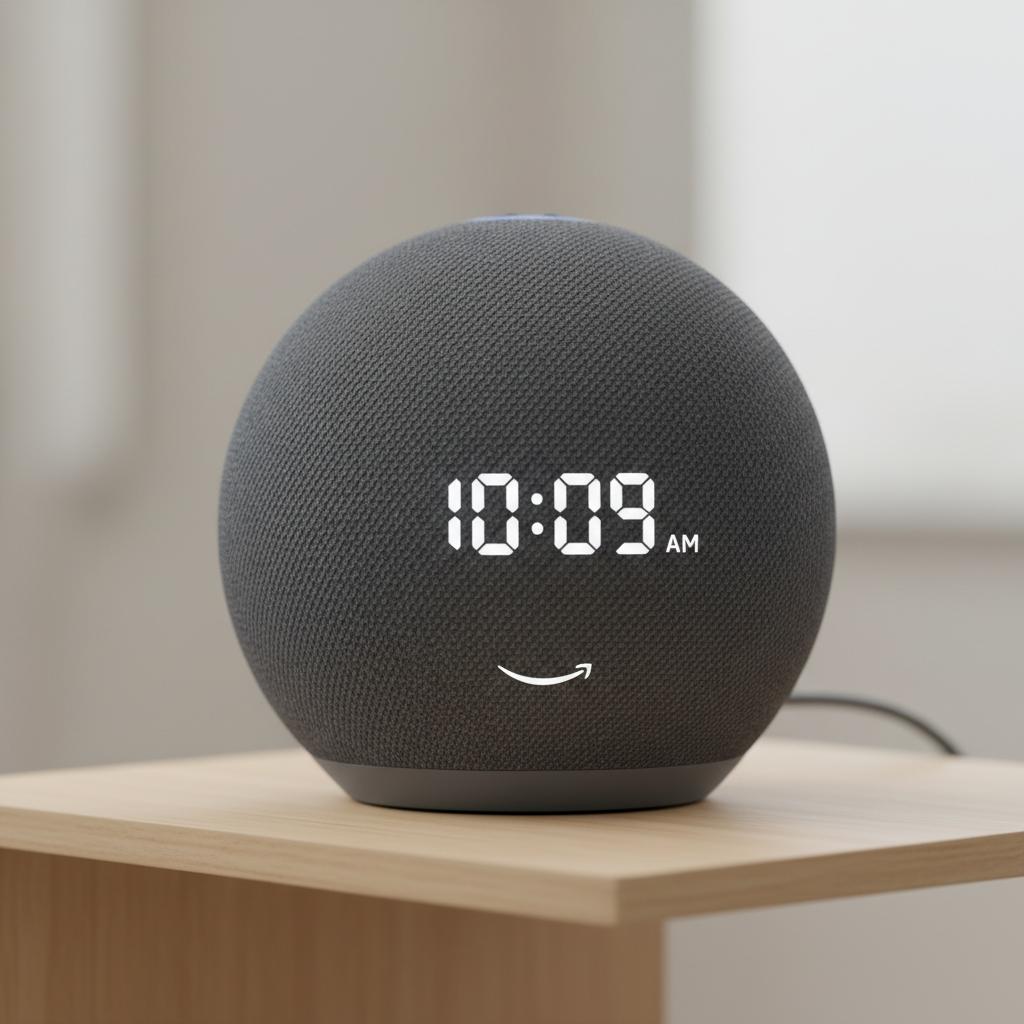
We've created a comprehensive starter guide with the best devices for beginners. From Echo Dot to Ring doorbells, find everything you need to build your connected home.
Read the Full GuideThe Rental Problem
Not everyone owns their home, and smart home tech has traditionally favored homeowners who can install permanent fixtures. But that's changing. Battery-powered video doorbells work for apartments. Smart bulbs and plugs require no installation. Portable air quality monitors and security cameras move with you. Renters can build surprisingly sophisticated smart homes without risking their deposits.
What Comes Next?
The future of smart homes points toward greater integration and intelligence. AI that learns not just your preferences but your patterns—knowing you want the lights dimmed when you start a movie, or that you always forget to lock the back door. Health monitoring built into everyday objects. Energy grids that talk to homes to optimize power usage across entire neighborhoods.
We're also seeing the rise of "matter," a new standard promising to make devices from different manufacturers work together seamlessly. If it succeeds, the smart home ecosystem could become as interoperable as the internet itself—a place where your Apple HomePod can control your Google Nest thermostat and your Amazon Ring doorbell without friction.
The Human Element
Technology writers often focus on specs and features, but the real story of smart homes is human. It's the grandmother who can now turn off her lights without getting out of bed. The parent who checks on sleeping children through a camera instead of risking a creaky floorboard. The person with mobility challenges who gains independence through voice control.
These stories don't make for exciting product launches, but they explain why smart home technology matters. At its best, it doesn't just add convenience—it expands what's possible for the people who use it.
Rachel has been testing smart home devices since the original Nest Thermostat. Her apartment has 47 connected devices.