It hits at the worst possible moment. You're navigating an unfamiliar city, your phone your only map, and that red battery icon appears. 10% remaining. Your heart rate increases. You start scanning for cafés, benches near outlets, any source of salvation. Welcome to power anxiety, the uniquely modern condition that affects billions.
The Battery as Lifeline
Our smartphones are extensions of ourselves—maps, wallets, cameras, communication devices, entertainment centers, and work tools rolled into one. When they die, we're not just disconnected; we're disoriented, vulnerable, lost. It's no wonder that low battery anxiety has become a recognized phenomenon, with studies showing that people experience genuine stress when their devices run low on power.
A Brief History of Portable Power
The first power banks were crude affairs—heavy, inefficient, with capacities barely sufficient for a single phone charge. But as our devices became more power-hungry and our dependence on them grew, the technology evolved rapidly. Today's best power banks are engineering marvels: slim enough for a pocket, capacious enough for multiple charges, smart enough to deliver exactly the right amount of power to each connected device.
More Than Phones
Modern power banks have evolved beyond phone charging. USB-C Power Delivery (PD) enables laptop charging from devices that fit in your palm. Wireless charging pads built into power banks eliminate cable clutter. Solar panels offer off-grid charging for campers and adventurers. Some models even function as USB hubs, extending your connectivity while they charge your devices.
The Power Bank Ecosystem
Choosing a power bank used to be simple: find one with enough capacity and a decent brand name. Now there are variables to consider. Do you need 20W for fast iPhone charging? 45W for a MacBook Air? 100W for a Pro laptop? Should you prioritize capacity or portability? Built-in cables or universal ports? MagSafe compatibility for wireless charging?
For daily carry, a slim 10,000mAh model might be perfect. For weekend camping, a rugged solar-charging beast makes more sense. For international travel, one with multiple outlet adapters becomes essential. The right power bank depends entirely on your specific needs.
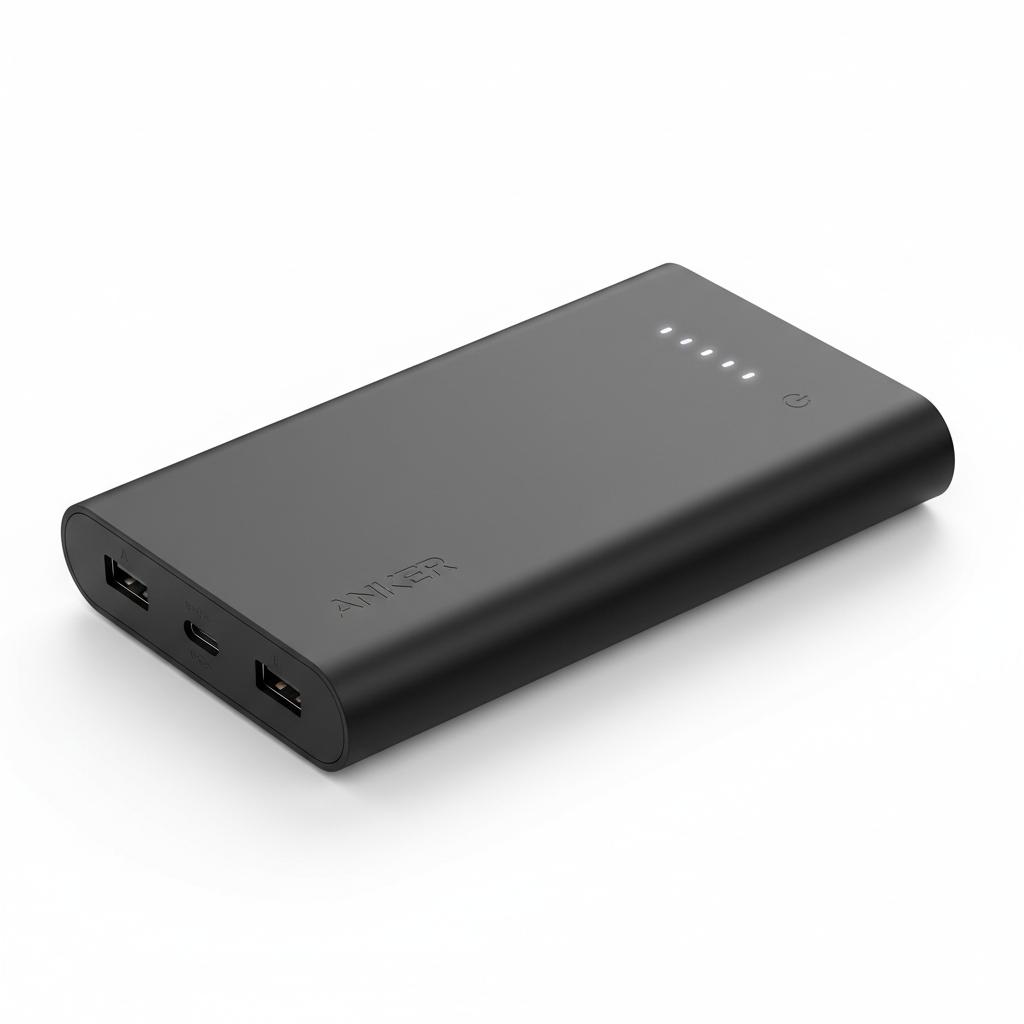
Best Power Banks Tested
We've tested dozens of power banks to find the best options for every need: ultra-slim daily carry, high-capacity laptop charging, rugged outdoor models, and budget picks that don't compromise on safety.
See Our Top PicksThe Future of Power
Battery technology is evolving. Graphene batteries promise faster charging and higher capacity. Solid-state batteries could eliminate the fire risks that make airlines wary of large power banks. Wireless charging over distance—power beamed through the air—might eventually make power banks obsolete.
But for now, and for the foreseeable future, the humble power bank remains essential. Until our devices last weeks on a charge or can harvest energy from ambient sources, we'll continue our symbiotic relationship with these portable power plants.
Living With Less Anxiety
The ultimate solution to power anxiety isn't better batteries—it's changing our relationship with technology. Using airplane mode strategically. Carrying a book as backup entertainment. Being okay with occasional disconnection. The power bank is a crutch, but mindfulness is the cure.
Still, until that enlightenment arrives, I'll keep my Anker in my bag. Just in case.
Alex never leaves home without at least two power banks. He has strong opinions about USB-C.