10,000 steps. Eight hours of sleep. 150 minutes of moderate exercise. For millions of people, these aren't just numbers—they're daily targets, personal benchmarks, the metrics by which they measure their worth. Welcome to the era of the quantified self.
From Pedometer to Life Coach
The journey from simple step counters to sophisticated health monitors has been remarkably fast. The first Fitbit, released in 2009, did little more than count steps and estimate calories burned. Today's devices—Apple Watch, Garmin, Samsung Galaxy Watch—can measure blood oxygen, detect irregular heart rhythms, track sleep stages, and even monitor stress levels through heart rate variability.
The Data Dilemma
Here's the paradox: fitness trackers are more accurate and capable than ever, but the health benefits aren't as clear-cut as the marketing suggests. Studies show mixed results. Some people, motivated by their stats, exercise more and sleep better. Others become obsessed with perfect numbers, experiencing anxiety when they miss their goals. The device that was supposed to reduce stress becomes its source.
What the Data Actually Tells Us
The most successful fitness tracker users share one trait: they use the data as a guide, not a gospel. They notice trends—"I sleep worse after evening workouts" or "My stress spikes on Mondays"—and adjust their behavior accordingly. The tracker becomes a tool for self-discovery, not a taskmaster.
For others, simpler is better. A basic step counter or a watch that just tracks workouts without constant notifications might provide the motivation without the overwhelm. The best tracker is the one you'll actually wear and use consistently.
Beyond the Wrist: The Future
The next frontier of personal health tracking is already emerging. Smart rings like Oura offer sleep and recovery tracking without screen distractions. Continuous glucose monitors, once reserved for diabetics, are being adopted by health optimizers wanting to understand their metabolic response to food. Smart clothing with embedded sensors can track form and muscle activation during workouts.
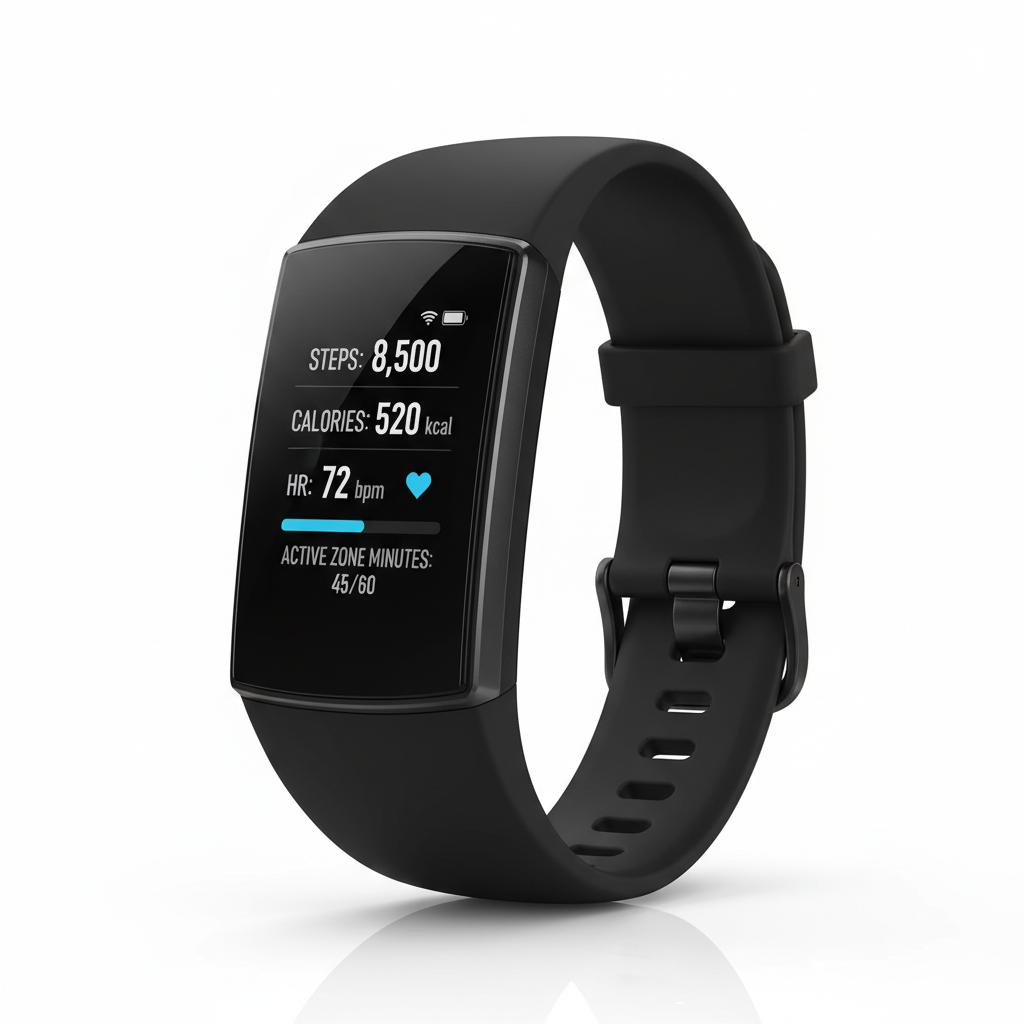
Find the Right Fitness Tracker
Apple Watch vs. Garmin vs. Fitbit—we've tested them all. See which fitness tracker matches your goals, lifestyle, and budget.
Compare Fitness TrackersThe Privacy Question
Every heartbeat, every step, every night of sleep—fitness trackers collect incredibly intimate data. Where does it go? Who has access? The major players (Apple, Google, Samsung) have strong privacy protections, but the data brokering industry is vast and often opaque. Before you strap on that tracker, it's worth reading the privacy policy and understanding what you're sharing.
The Bottom Line
Fitness trackers are neither magic bullets nor digital snake oil. They're tools—powerful ones, when used mindfully. The key is matching the device to your personality and goals. If data motivates you, embrace it. If it stresses you out, simplify or skip it entirely. The healthiest choice is the one you'll actually stick with.
Sarah has tested over 50 fitness trackers and wearables. She currently wears an Apple Watch but turns off most notifications.