It started with wildfire smoke. Then came the pandemic. Suddenly, millions of people who had never thought twice about their indoor air quality were obsessing over HEPA filters, CADR ratings, and PM2.5 levels. The air purifier—once a niche gadget for allergy sufferers—had gone mainstream.
The Invisible Threat
We spend 90% of our lives indoors. Yet until recently, most of us paid more attention to the water we drink than the air we breathe. That's changing fast. Studies linking poor indoor air quality to everything from cognitive decline to heart disease have sparked a revolution in how we think about our homes.
The Tech Behind the Trend
Modern air purifiers are marvels of engineering. HEPA filters—originally developed for the Manhattan Project—can capture particles as small as 0.3 microns with 99.97% efficiency. Activated carbon layers adsorb gases and odors. UV-C light neutralizes bacteria and viruses. Some advanced models even monitor air quality in real-time, adjusting their output automatically.
Beyond Allergies: The New Use Cases
Air purifiers have evolved far beyond seasonal allergy relief:
- Sleep optimization — Cleaner air means deeper sleep and better recovery
- Pet households — Managing dander and odors for cleaner living
- Home offices — Cognitive benefits of reduced CO2 and VOCs
- Urban apartments — Protection from traffic pollution and city grime
- New parents — Creating the cleanest possible environment for infants
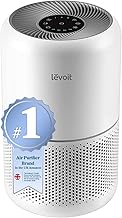
Find Your Perfect Air Purifier
We've tested the best air purifiers available on Amazon UK. From compact bedroom units to powerful whole-home solutions, find the right fit for your space.
See Our Top PicksThe Sustainability Question
Here's the paradox: air purifiers consume electricity and generate filter waste. Are we solving one problem while creating another? The answer lies in choosing wisely. Energy-efficient models with washable pre-filters and long-lasting HEPA filters minimize environmental impact. And when you consider the health benefits—potentially reduced medical costs and improved productivity—the equation starts to balance.
Making the Choice
Selecting an air purifier can feel overwhelming. CADR ratings, room size calculations, filter replacement schedules—there's a lot to consider. But it doesn't have to be complicated. Match the purifier to your room size, prioritize quiet operation for bedrooms, and consider smart features if you're building a connected home.
The most important step is simply starting. Any air purifier is better than none, and the benefits—to your sleep, your allergies, your overall wellbeing—are immediate and measurable.
Dr. Watson researches the intersection of indoor air quality and public health. She has three air purifiers in her own home.